
History of the American Chestnut
The History of American Chestnut
At Cape Cod Colonial Tables, we work with a select variety of beautiful hardwoods, but one holds a particularly special place in our hearts: American chestnut.
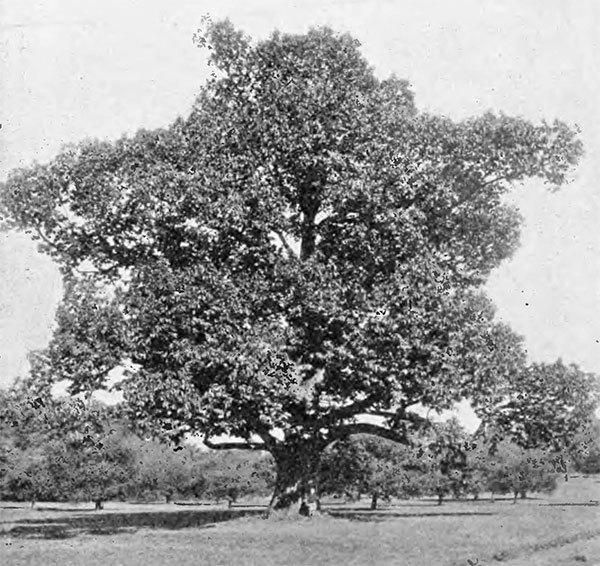
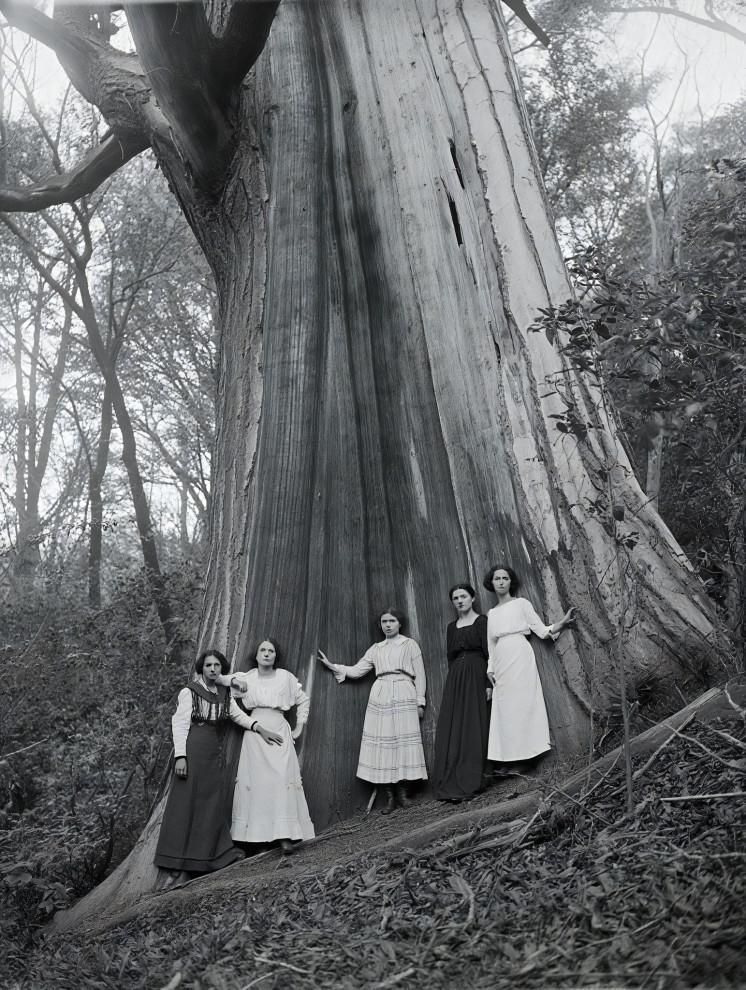
For centuries, the American chestnut was one of the most abundant and treasured trees in the eastern United States. These magnificent trees once towered more than 100 feet tall, with trunks reaching over 10 feet in diameter. Their natural range stretched from Maine to Georgia and Alabama, extending westward into the Ohio River Valley.
Known for its exceptional strength, straight grain, natural beauty, and remarkable resistance to decay, American chestnut was a preferred building material for generations. Its wood was widely used to construct early American homes, barns, factories, and countless other structures, becoming an important part of our nation's architectural heritage.
Sadly, that all began to change in the early 1900s.
In 1904, a devastating fungal disease known as chestnut blight was first identified at the Bronx Zoo in New York City. Believed to have been accidentally introduced through imported Asian chestnut trees, the fungus spread rapidly throughout the eastern forests. Carried by wind and other natural means, its spores entered through small openings in the bark, eventually killing the trees above ground.
By the middle of the 20th century, an estimated four billion American chestnut trees had been lost, forever changing the landscape of the eastern United States.
Remarkably, the blight does not typically destroy the tree's root system. Even today, new shoots continue to emerge from surviving roots, only to succumb to the disease before reaching maturity. Although dedicated researchers and conservation organizations continue working to restore this once-mighty species, the American chestnut has yet to reclaim its former place in our forests.
At Cape Cod Colonial Tables, we take great pride in giving this remarkable wood a second life.
We carefully select reclaimed American chestnut salvaged from historic barns and structures, transforming centuries-old timbers into beautiful, handcrafted dining tables and benches. Each piece carries a history that simply cannot be replicated with newly harvested lumber.
The grain is extraordinary, the character unmatched, and the natural colors range from soft, warm blonde tones to rich, deep reddish-browns. Every knot, grain pattern, and imperfection tells a story of the wood's past.
No two boards are exactly alike, which means no two tables or benches will ever be the same.
To us, American chestnut is more than just wood. It is a piece of American history, and we are proud to preserve that history through furniture that can be cherished for generations to come.
Will the blight end the chestnut?
The farmers rather guess not.
It keeps smoldering at the roots
And sending up new shoots
Till another parasite
Shall come to end the blight.
— Robert Frost, Evil Tendencies Cancel


Learn More About
Cape Cod Colonial Tables


Share On: